

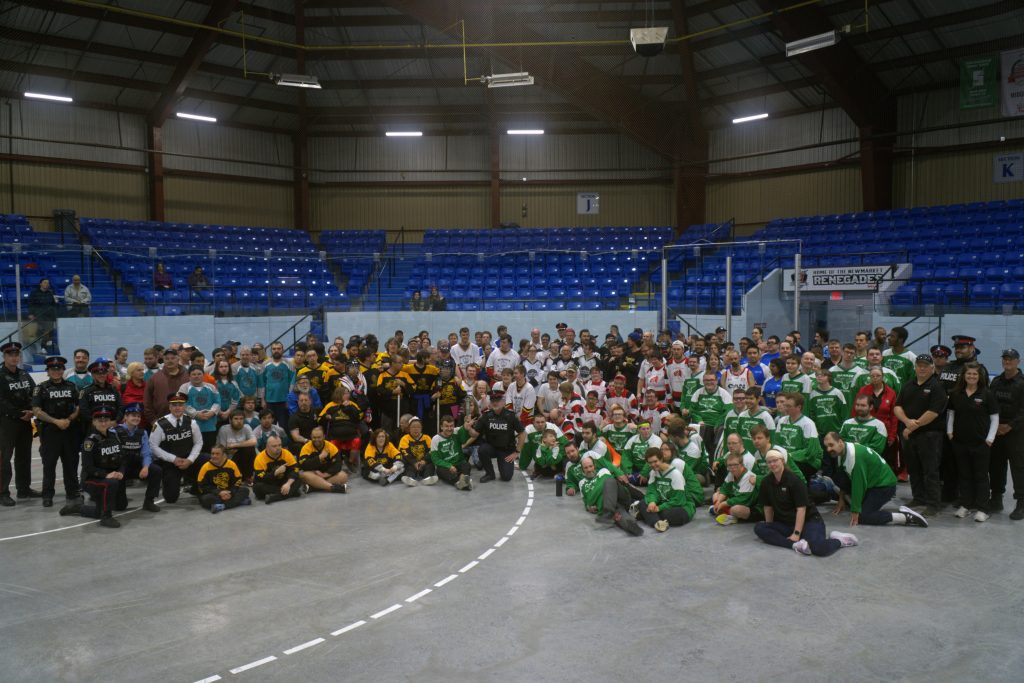
Earlier this month in Newmarket, Special Olympics Ontario communities came together to celebrate floor hockey, honouring the sport’s rich history, the athletes who have competed with pride, and the leaders and volunteers whose vision helped shape its success. The celebration was both a reunion and a reflection: a chance to recognize how floor hockey has influenced generations of athletes and played a defining role in the growth of Special Olympics Ontario. That moment of celebration provides the perfect opportunity to look back at how floor hockey became such a cornerstone of the movement in Ontario.
From its earliest days, floor hockey has been inseparable from the story of Special Olympics Ontario. Long before the organization formally took shape in the province, the sport helped spark a movement that would grow to change thousands of lives.
The roots trace back to 1968, when floor hockey was one of the sports that was part of the very first Special Olympics Games in Chicago. Canada was represented by a floor hockey team from Toronto, accompanied by Dr. Frank Hayden and broadcaster Harry “Red” Foster. Witnessing the power of sport and inclusion firsthand, Foster returned to Ontario inspired to bring the movement home. Just one year later, the first Canadian Special Olympics event was held in Toronto, with floor hockey featured prominently. In many ways, the sport became the bridge between the international movement and its Canadian, and Ontario, future.
Through the 1970s, floor hockey was a driving force behind Special Olympics early expansion across Ontario. Volunteer leaders established early provincial league structures, using the sport’s familiarity and accessibility to introduce Special Olympics to new communities. In a province where hockey is deeply woven into culture and identity, floor hockey provided a natural entry point for athletes, families, coaches, and supporters. Many local programs that now offer multiple sports began with a single floor hockey team.
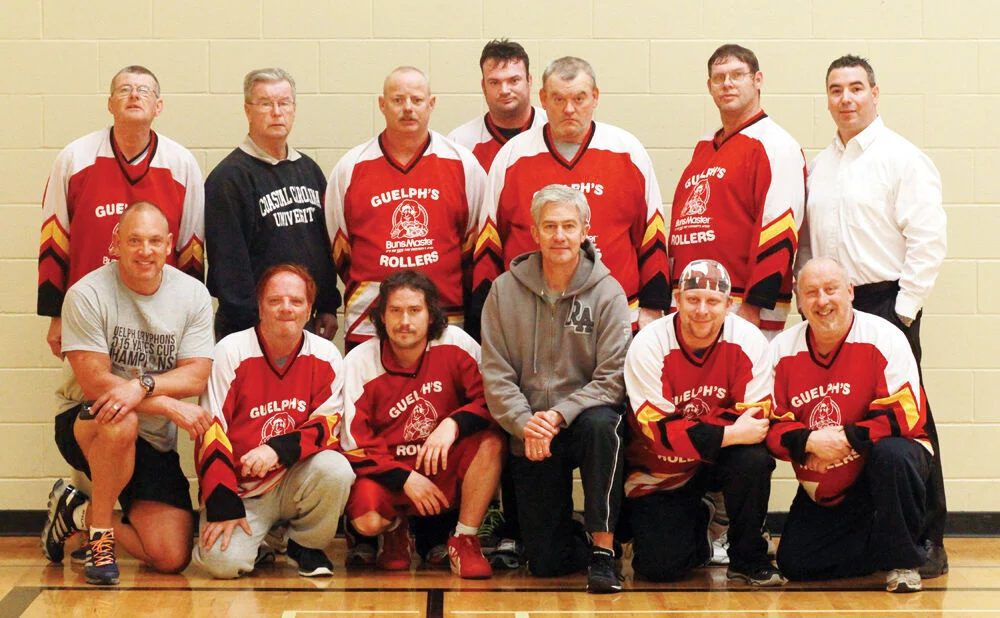
As programs matured, competitive excellence followed. Ontario teams quickly became leaders on the national stage, earning championship success and setting performance standards for the rest of the country. Communities such as Guelph built long-standing floor hockey programs that produced generations of athletes. Over time, Ontario teams were regularly selected to represent Canada at National and World Games, reinforcing the province’s reputation as a floor hockey powerhouse within Special Olympics. The Guelph Bunsmaster Rollers team won three straight National Games gold medals from 2008–2016.
One of the most remarkable chapters in this history is Ontario’s influence beyond competition. A dedicated group of volunteers from the London area emerged as global leaders in the sport’s development. Drawing on Ontario’s strong hockey knowledge, they played a central role in shaping floor hockey rules, officiating standards, and referee education. Their work extended internationally, as they delivered clinics and training sessions around the world, helping establish consistent rules and high-quality officiating across Special Olympics programs globally.
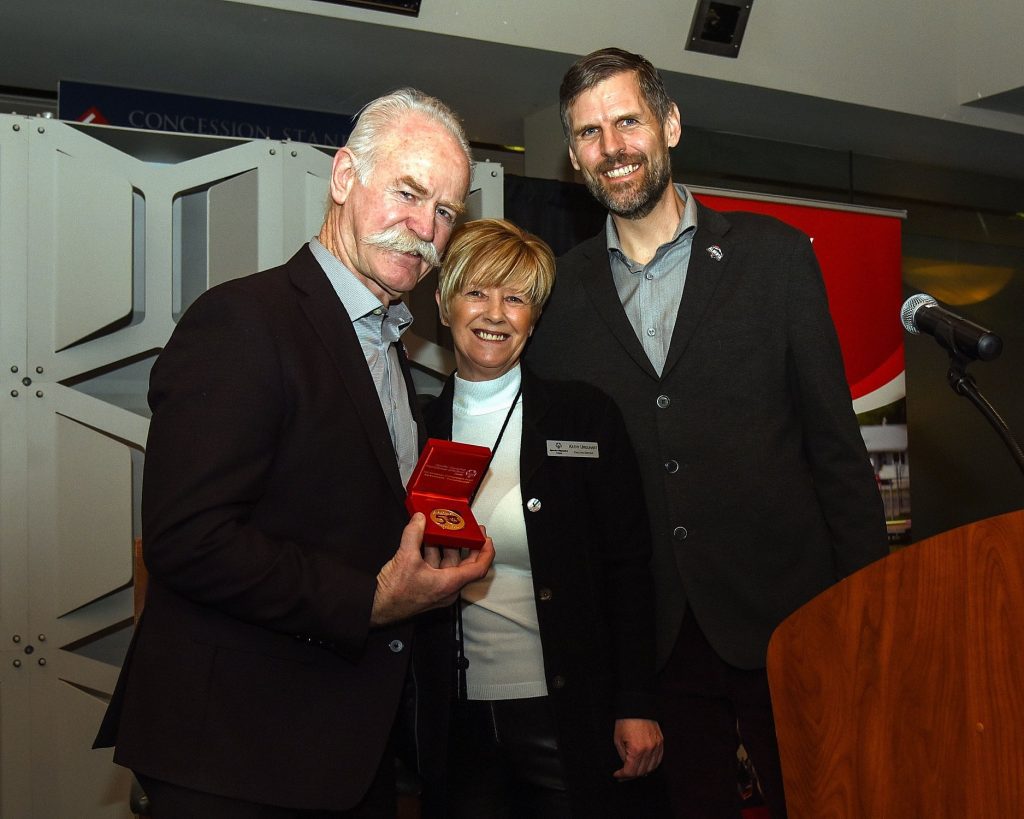
Ontario has also played a major role in hosting and showcasing the sport. The province was proud to welcome the world during the 1997 Special Olympics World Winter Games, hosted in Toronto and Collingwood. For the first time, the World Games were held outside the United States, and floor hockey once again took centre stage. The Games brought unprecedented visibility to Special Olympics in Ontario and demonstrated the province’s capacity to lead on the world stage.
Partnerships rooted in Ontario’s hockey culture have further amplified floor hockey’s impact. The Ontario Hockey League has been a long-standing champion of Special Olympics through its “Big Ticket” games, raising funds and awareness while placing athletes front and centre in major junior hockey arenas. Ontario hockey legends like Lanny McDonald and Darryl Sittler have lent their support to Special Olympics initiatives, reinforcing that the sport’s inclusive spirit thrives across all levels of the game.
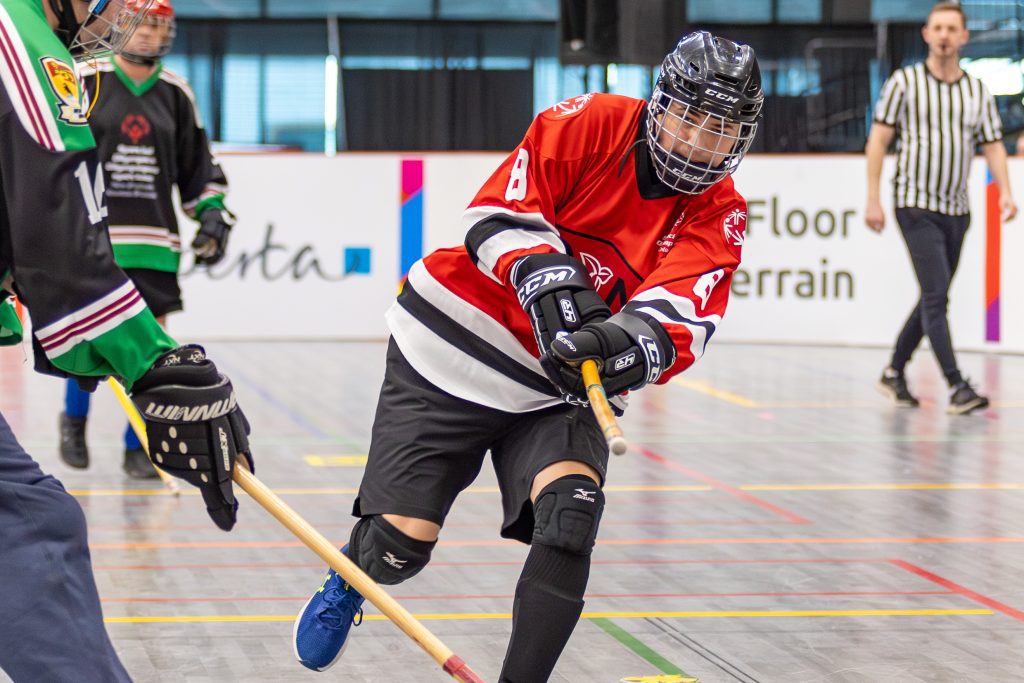
Community celebration has always been central to floor hockey’s success in Ontario, and few partners have embodied that spirit more consistently than the Law Enforcement Torch Run (LETR). From opening ceremonies to local tournaments, LETR members have helped elevate floor hockey events through their visible presence, leadership, and unwavering support. Beyond the spotlight moments, LETR members have been deeply embedded in the sport, playing with and against athletes at competitions, practices, and exhibition games, and in many cases coaching and supporting local floor hockey programs directly. Their involvement not only amplified awareness and fundraising efforts, but also deepened the sense of pride felt by athletes stepping onto the floor, knowing their community stood beside them as teammates, mentors, and champions.
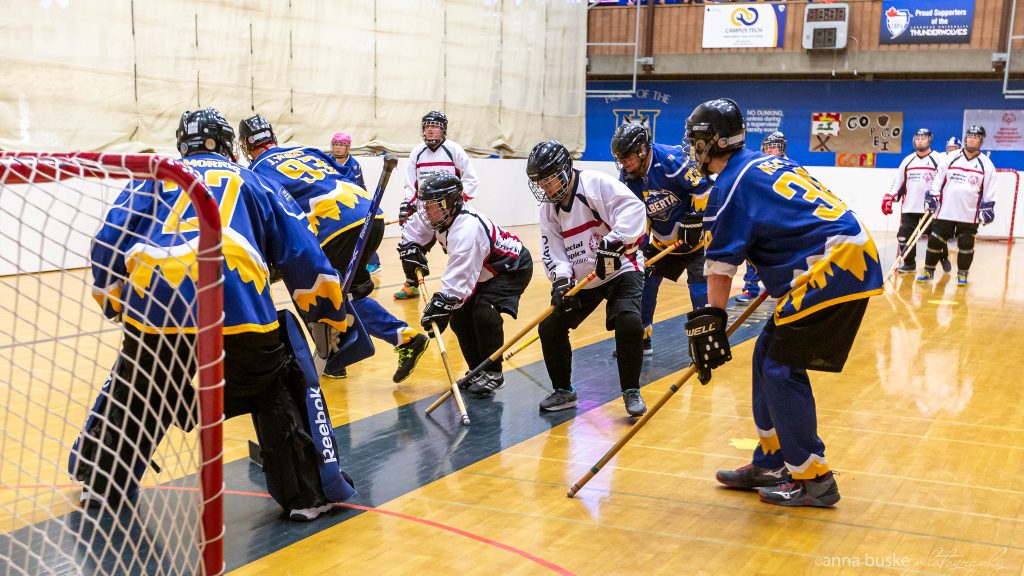
The legacy of floor hockey in Special Olympics Ontario is ultimately about people and opportunity. Across decades, the sport has given thousands of athletes their first team experience, their first competition, and often their first chance to travel, represent their community, and feel the pride of wearing a uniform. Many Ontario teams have built traditions lasting 20 years or more, creating lifelong friendships and memories that extend far beyond the scoreboard.
The history of floor hockey and the impact it has had on the legacy of Special Olympics Ontario has been immeasurable. Beyond the highlights, there were countless athletes given the opportunity to participate and feel the impact of sport. In some cases, teams built foundations that lasted 20+ years, providing athletes lifelong memories, friendships, and adventures. May 9th was a celebration of this impact, organizationally, but also in the grassroots communities that allowed Special Olympics to thrive in Ontario and continue its mission of enriching the lives of Ontarians with an intellectual disability through sport.
Reflections from the Floor
Paul Turner
Head Coach, Guelph Bunsmaster Rollers
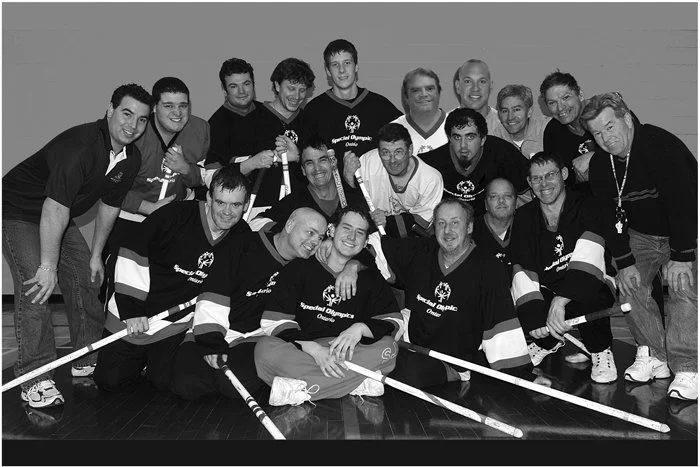
For more than two decades, the Guelph Bunsmaster Rollers built one of the most successful floor hockey programs in Special Olympics Ontario history. Under longtime coach Paul Turner, the team became known not only for its success on the floor, but for the culture and community built around it.
According to Turner, one of the biggest strengths of the program was the bond between athletes, many of whom played together for 20 years or more.
“They knew each other so well and loved being together as a team,” said Turner. “We were always so proud representing Special Olympics Ontario.”
While the team became known for winning, including three straight National Games gold medals between 2008 and 2016, as well as silver medals at the 2009 World Winter Games in Idaho and later at the 2017 World Games in Austria, Turner said some of the most meaningful growth came through learning sportsmanship and resilience.
“They loved to win, but because they won so often, learning how to lose became a challenge,” he reflected. “Eventually they learned to win with dignity and lose with grace. I’ve never been more proud of them than seeing that growth.”
Beyond competition, the team became deeply involved in the Guelph community, volunteering at food banks and organizing fundraising initiatives throughout the years. Turner also highlighted the support of longtime sponsor Bunsmaster Bakery, which supported the Guelph Bunsmaster Rollers for 33 years and helped raise nearly $42,000 for the program.
As floor hockey transitions toward floorball within Special Olympics, Turner says the team is embracing the next chapter. After first being introduced to floorball during the World Games in Austria, the Guelph Bunsmaster Rollers have continued adapting to the new sport, attending training opportunities and beginning to find success in competition.
“It was emotional saying farewell to floor hockey,” said Turner. “But everyone understands why, and we’re ready to begin this new chapter with floorball.”
Now entering his 47th year of coaching, Turner is also beginning to focus on mentorship and the future of the program, hoping to bring new coaches into the sport and continue the legacy built over decades in Guelph.
Samantha Damiani
Head Coach, Provincial Convenor, Referee
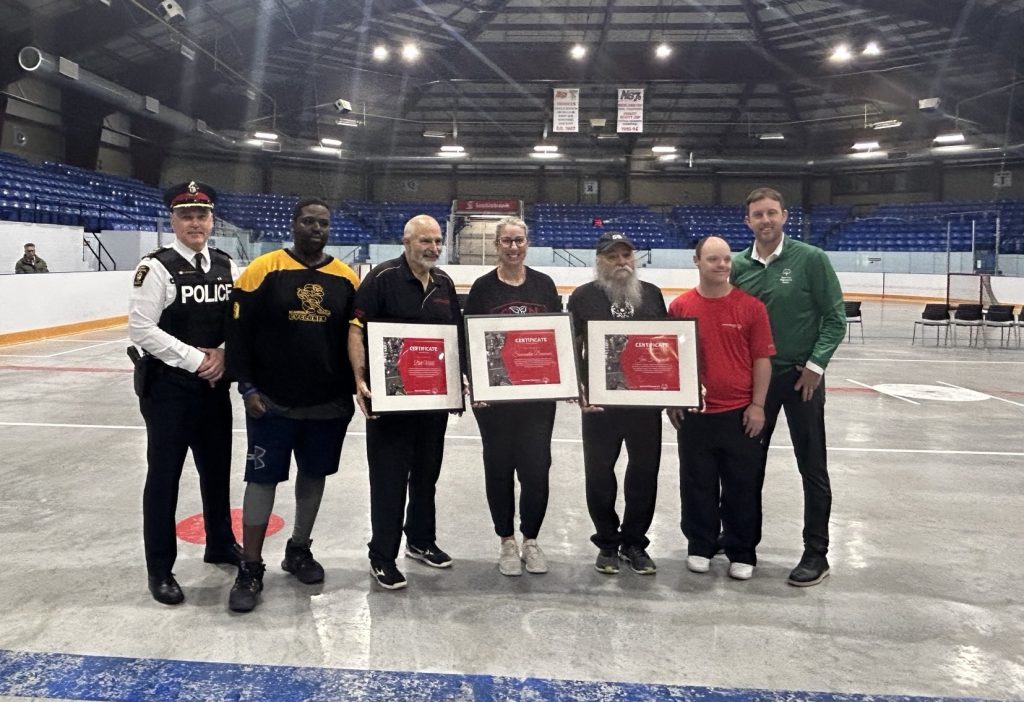
“Floor hockey has always been such a big part of Special Olympics Ontario because it brings people together. As both a coach and referee, I’ve seen athletes build confidence, teamwork, and friendships that go far beyond the game.”
“One of the best parts is seeing athletes make connections and friendships with people from across the province through tournaments and competitions. That sense of community is what has made floor hockey such an important part of Special Olympics history in Ontario.”
“Ontario has had such a big impact on floor hockey because the passion for the sport runs deep here. There’s a strong network of coaches, athletes, and volunteers who have built it up over years of commitment and consistency. The level of competition is great, but what really stands out is how connected everyone is across the province.”
“Seeing the community come together to celebrate the history of floor hockey was really special. You could really feel the pride and friendships that have been built both on and off the floor. It was a great reminder that floor hockey is about way more than just the game, it’s about community and belonging.”
“The world of floor hockey has completely changed how I see sport. It’s taught me that the biggest wins are the confidence, growth, and connections you help build in your athletes, not just the score on the board.”
Robert Pipitone
#87, Newmarket Ringers
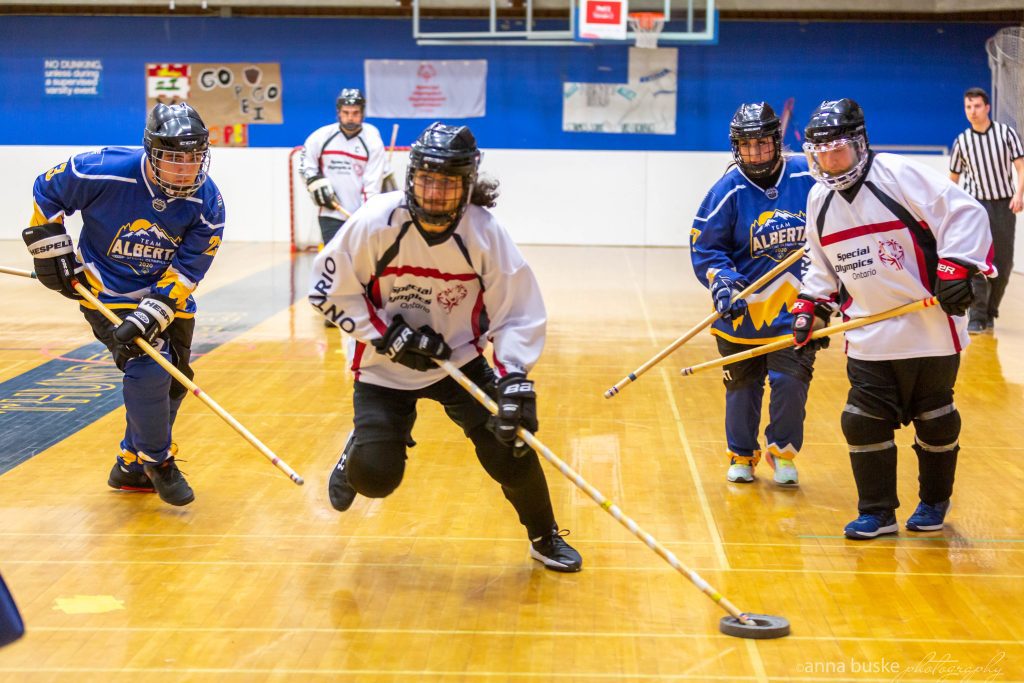
“Being part of floor hockey has meant a lot to me. Floor hockey opened the door to Special Olympics for me after hearing that some of my friends were going to represent Canada on the world stage. I wanted to be part of that community, and floor hockey helped me get involved in many other sports too.”
“One of my favourite memories was competing at the 2019 Provincial Games. Our gold medal game went into overtime and although we lost, the other team noticed the work I had put in and later invited me to join them to represent Team Ontario at the 2020 National Winter Games in Thunder Bay, where we won gold.”
For Pipitone, the recent celebration event in Newmarket carried special meaning.
“To me, being part of the celebration event symbolized the end of a chapter in my Special Olympics career and the beginning of a new chapter with floorball. It felt emotional knowing this would be the last floor hockey tournament we would ever play.”
“After the final whistle, before leaving the floor, I took the game puck and shot one final goal to close that chapter completely.”